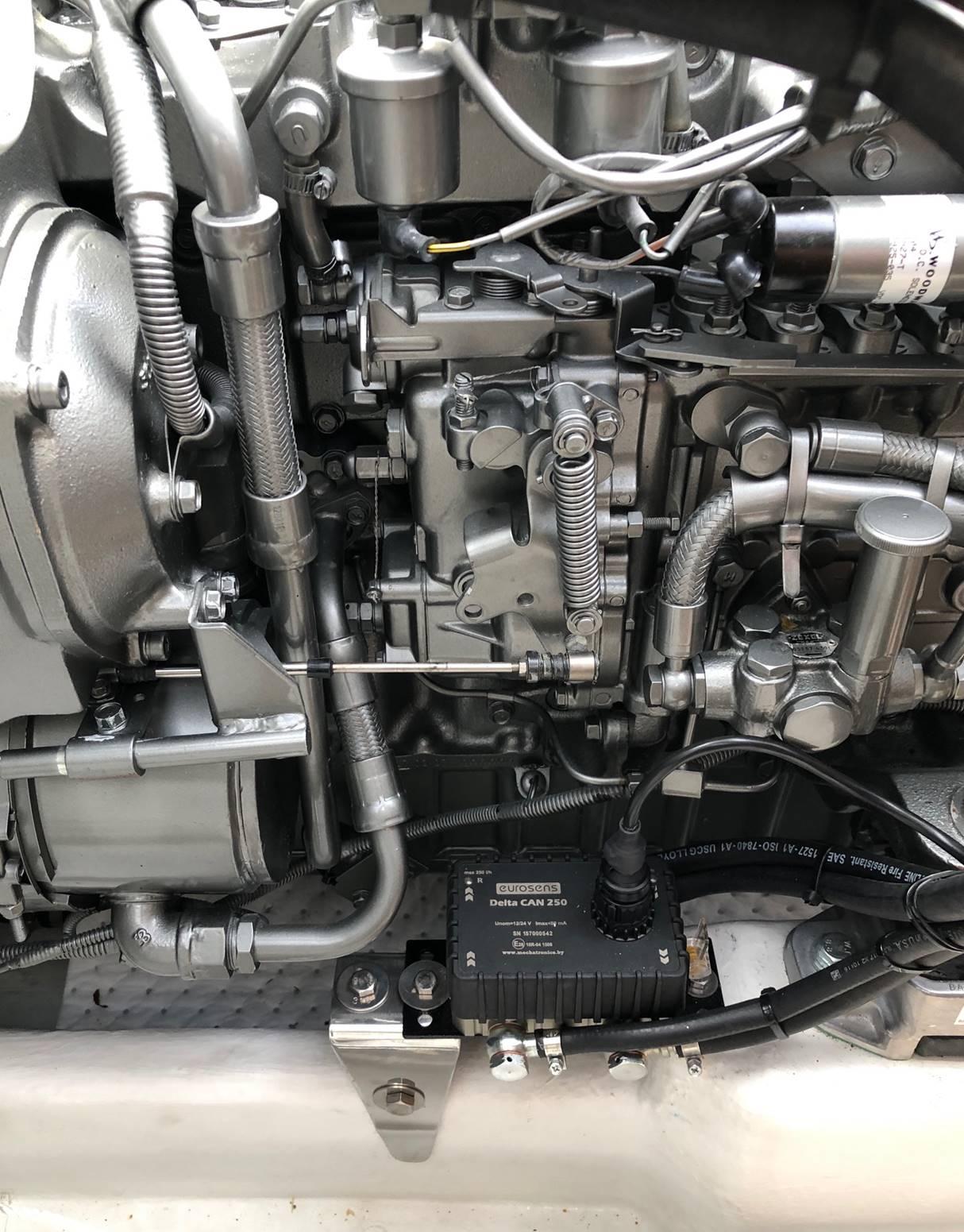
Auxiliary marine engine — Yanmar
Eurosens Delta CAN installed on a Yanmar marine diesel without changing the original supply/return fuel-circulation scheme.
Eurosens Delta CAN · CAN
Marine Fuel & Vessel Monitoring
Track the vessel, measure actual fuel consumption of every engine and generator, monitor fuel and service tanks, and integrate the data with NMEA 2000 or a remote telematics platform.
What the System Monitors
| Layer | What is monitored | Typical data |
|---|---|---|
| Navigation | Vessel movement | Location, route, speed, activity / operating mode |
| Bunkering / fuel receiving | Fuel transferred onboard | Total received volume, instantaneous flow, start/stop time, duration |
| Fuel consumers | Main engines, auxiliary engines, gensets, boilers | Instant flow, total consumption, runtime / operating data |
| Fuel inventory | Fuel tanks | Level and calibrated volume |
| Service tanks | Fresh water / wastewater | Level / volume, high-level condition |
| Onboard network | NMEA 2000 / CAN equipment | Fuel data available to compatible onboard equipment |
| Remote telemetry | GSM / satellite tracker | Data transfer to monitoring platform / control center |
Interactive Vessel Architecture
Main engine
2 × Eurosens Direct high-flow meters
Main Engines
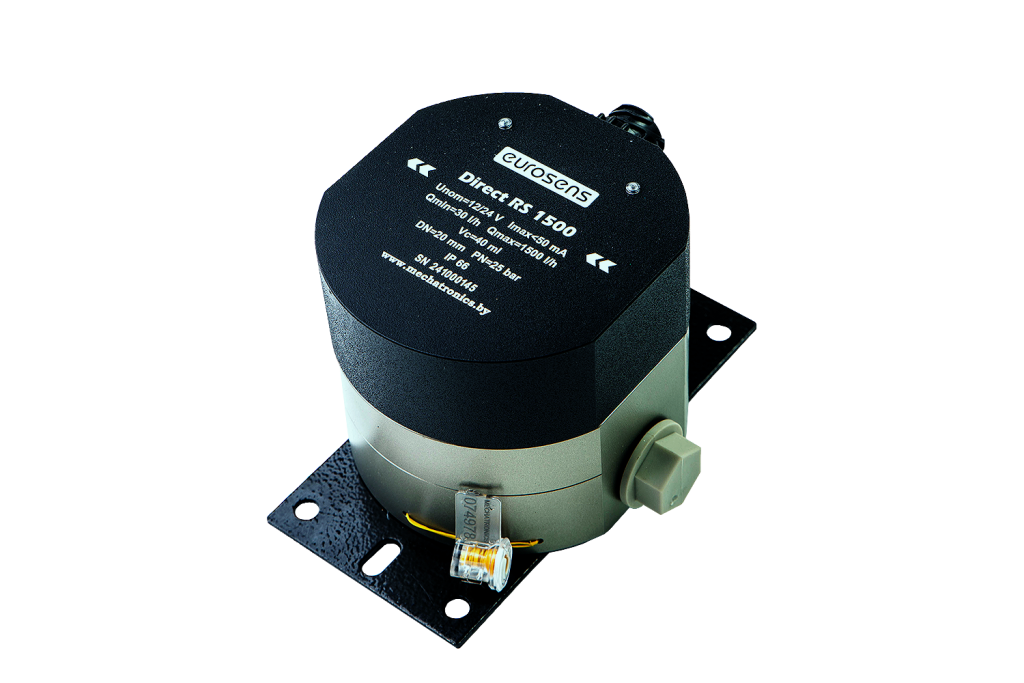
For high-flow main engines, the typical marine configuration is a pair of high-capacity Eurosens Direct meters — one on the fuel supply line and one on the return line.
| Model | Flow range | Role |
|---|---|---|
| Direct 1500 | 30–1,500 L/h | High-flow main engine / large diesel consumer |
| Direct 3000 | 60–3,000 L/h | Higher-flow main engine |
| Direct 5000 | 250–5,000 L/h | Very high-flow main engine / industrial marine diesel |
±1% maximum measurement error; 10–50 V supply; −40…+85 °C; IP67; RS485 / MODBUS / CAN and NMEA 2000 option; threaded and flange connection options. Final model selected against actual supply and return flows.
Auxiliary Engines, Gensets & Boilers
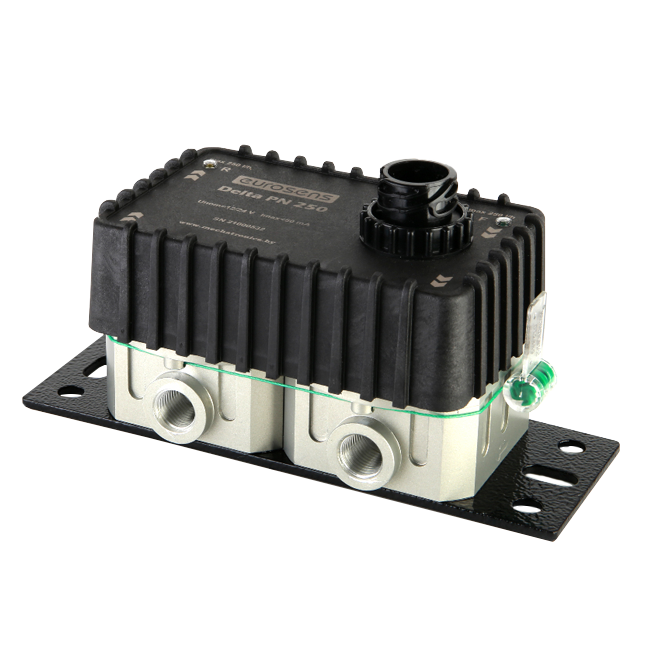
Key benefit
Installed in the existing supply and return lines without changing the original fuel-supply scheme.
Range
10–500 L/h
Accuracy
±1%
Temperature
−40…+85 °C
Warranty
2 years
RS485 / MODBUS / CAN SAE J1939 interfaces, temperature compensation in both measuring channels. Where air / gas bubbles are present in the return line, an optional Eurosens Deaerator is installed before the return chamber.
Positioned for auxiliary / medium-flow consumers and selected propulsion engines where its flow range is appropriate — not the universal choice for every marine engine.
Discuss My Auxiliary EngineFuel Tank Inventory
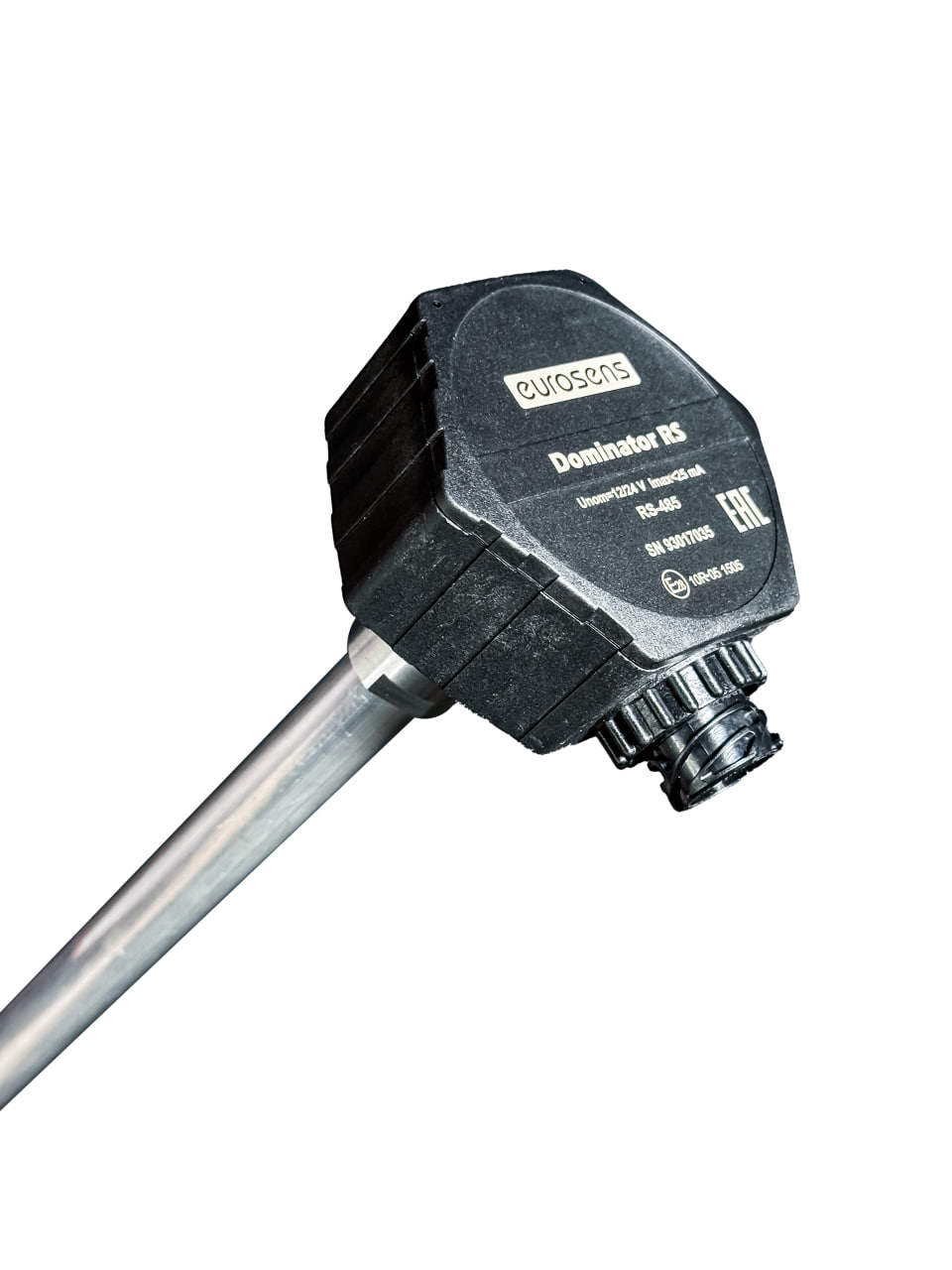
Flow meters answer "how much was consumed". Dominator answers "how much fuel is currently in the tank" — complementary, not competing, measurement methods.
| Fuel flow meter | Fuel level sensor |
|---|---|
| Measures fuel passing through the engine fuel line | Measures current fuel level / volume in the tank |
| Consumption measurement is not based on tank geometry | Provides current onboard fuel inventory |
| Not dependent on ship rolling | Shows refilling / draining and remaining stock |
| Best for actual consumption by consumer | Best for tank balance and inventory |
Consumption + Inventory = A Complete Fuel Picture
Water & Wastewater Tanks
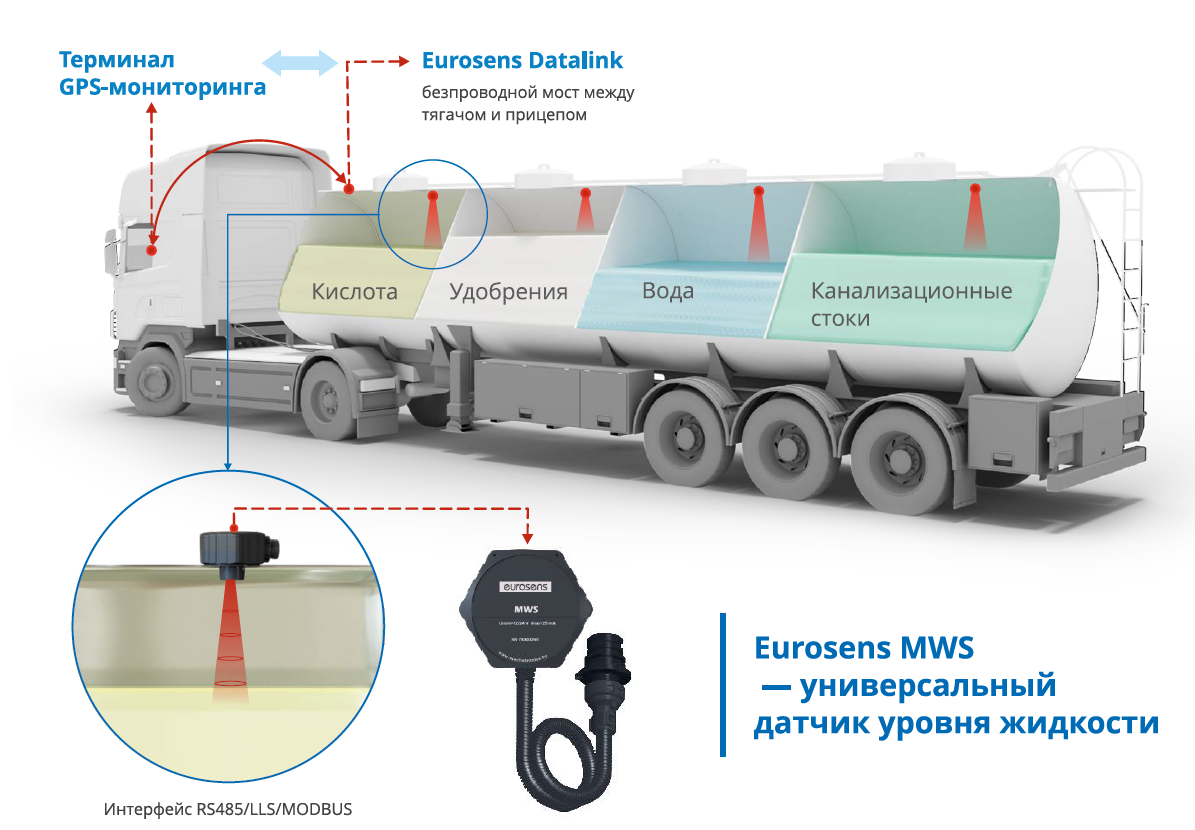
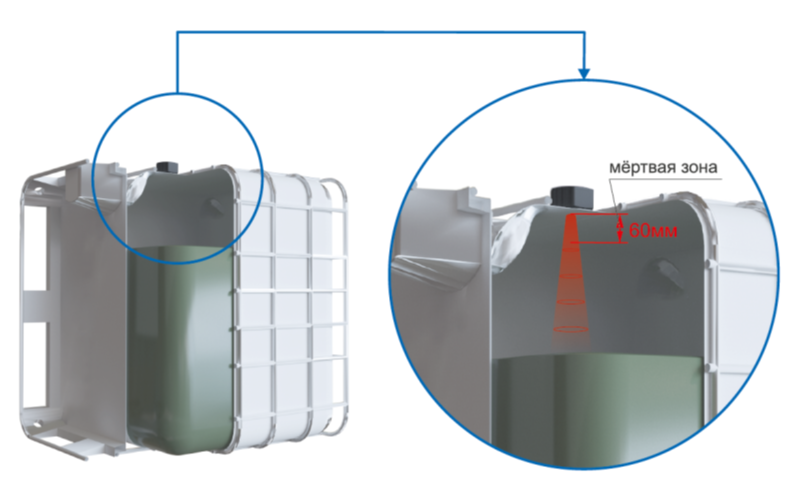
Can measure through plastic walls transparent to electromagnetic waves, enabling selected plastic-tank installations without drilling — engineering confirmation required for the exact tank material and geometry.
Discuss My Service TanksOptional Bunkering Control
A bulk fuel meter installed in the vessel bunker receiving line measures the fuel transferred onboard during bunkering — visible in the same monitoring environment as engine consumption and tank inventory.
Presented as an operational bunkering-control instrument. "Custody transfer", "fiscal meter" or billing-accuracy claims require confirmation for the exact model and target market. Exact bulk-meter model, flow range, connection and certification are project-specific.
Ask About Bunkering ControlNMEA 2000 Integration
Eurosens fuel-consumption meters can be supplied / configured with an NMEA 2000 interface option, allowing fuel-consumption data to work together with compatible NMEA 2000 onboard equipment and the vessel's standard marine CAN network.
| NMEA 2000 drop connection | Example role |
|---|---|
| Eurosens fuel meter | Fuel flow / consumption data |
| Marine multifunction display | Onboard visualization |
| Chartplotter / instrument display | Display of compatible vessel data |
| NMEA 2000 gateway | Network / telemetry integration |
| Other NMEA 2000 equipment | Shared onboard marine network |
NMEA 2000 is an interface option for supported fuel-meter configurations, not a native feature of every Eurosens product.
Tell Us Your Onboard EquipmentRemote Monitoring
Onboard
Eurosens sensors / flow meters → CAN / RS485 / NMEA 2000 → onboard equipment.
Remote
Eurosens sensors / flow meters → telematics gateway / GPS tracker → GSM or satellite → monitoring platform / dispatch center.
Real Installations
Eurosens Delta CAN installed on a Yanmar marine diesel without changing the original supply/return fuel-circulation scheme.
Eurosens Delta CAN · CAN
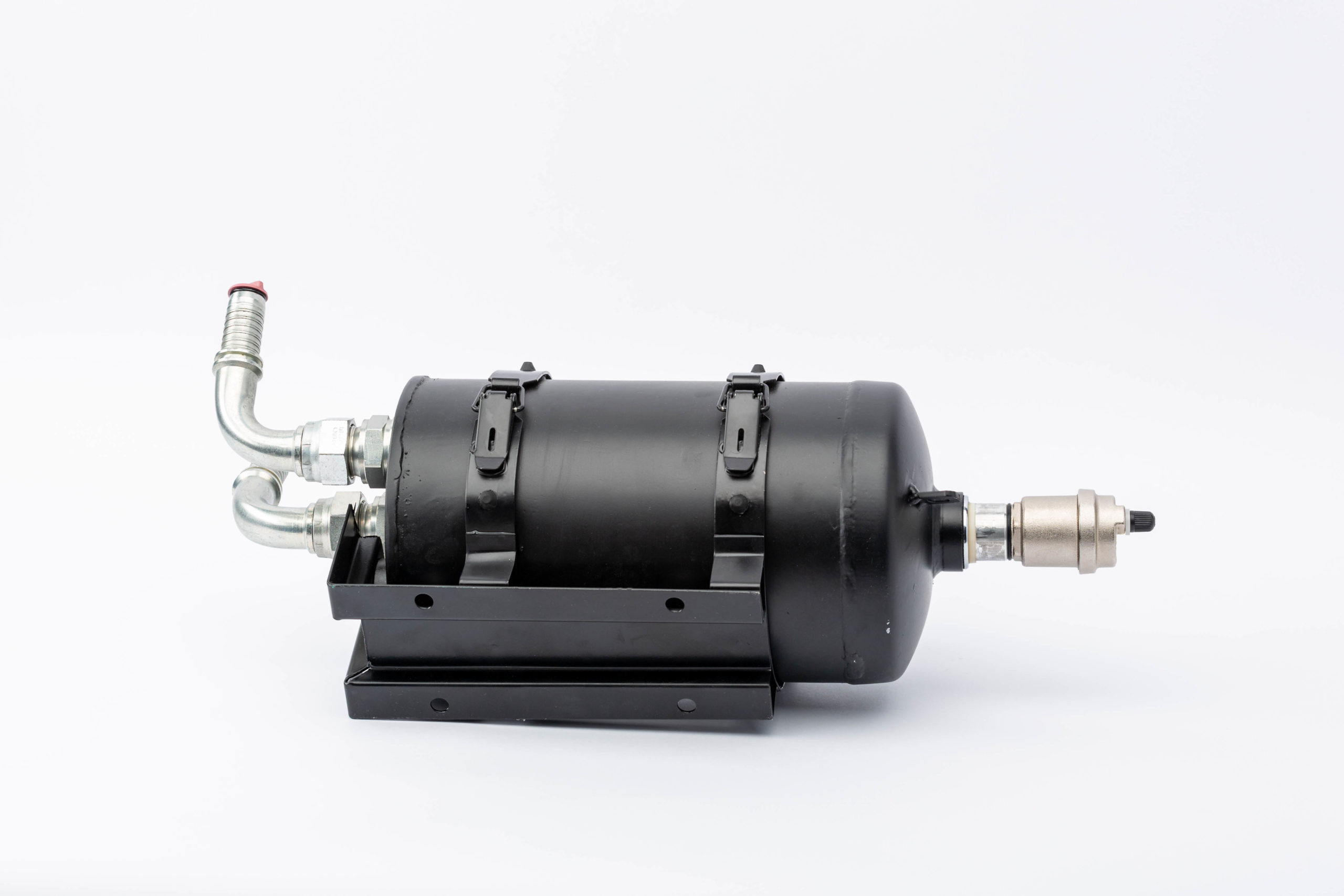
Removes gas impurities / bubbles from the return fuel line before the Delta return chamber — an optional engineering accessory, not a mandatory component for every installation.
Additional marine case photography (river cargo vessel, tug / workboat, fishing vessel, passenger ferry, bunkering operation) is being added to this portfolio as project photography is approved.
Discuss My VesselIntegration
Marine Trust
Eurosens fuel flow meters used in this solution are presented as River Register certified and included in measuring-instrument registers in Belarus, Kazakhstan and Russia. Only certificates that apply to the specific product and current modification offered for the target market are shown — not every sensor in the complete system carries the same marine approval.
FAQ
Final step
Engines, tanks and onboard network — enough for Eurosens engineering to preselect meters, level sensors and interfaces.